
Mixed Pet Food Packaging in Thailand – Ultimate 2026 Industry Guide
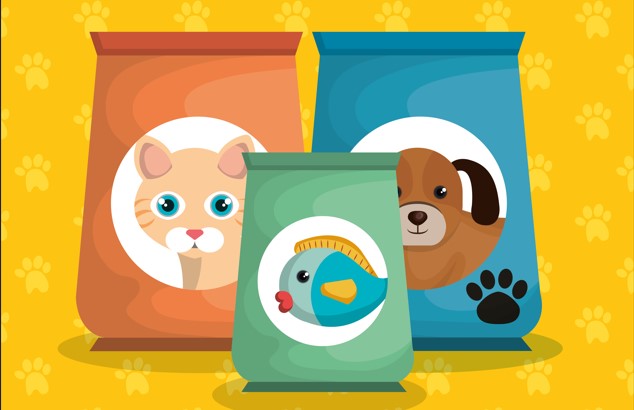
Mixed Pet Food Packaging in Thailand
Introduction to Mixed Pet Food Packaging
Mixed pet food packaging in Thailand has evolved rapidly. As pet ownership grows, expectations increase.
Pet owners now want variety, safety, and convenience. Therefore, packaging plays a central role in product success.
Thailand stands out as a regional leader. It combines advanced manufacturing with export expertise. As a result, mixed pet food packaging continues to improve steadily.
What Is Mixed Pet Food Packaging
Mixed pet food packaging refers to formats designed for multiple food types. These may include dry kibble, wet food, and treats together. Sometimes, semi-moist components are added as well. Therefore, packaging must handle different textures and moisture levels.
This complexity requires smarter material choices. It also demands precise sealing and compartmentalization.
Otherwise, food quality suffers quickly.
Why Thailand Is a Regional Packaging Hub
Thailand offers strong infrastructure and skilled labor. Moreover, it has easy access to raw materials. Additionally, government support encourages pet food exports. As a result, packaging innovation thrives locally.
Many global brands outsource packaging here. They trust Thai manufacturers for quality and compliance.
That trust continues to grow.
Overview of Thailand’s Pet Food Industry
Thailand’s pet food industry grows every year. Mixed pet food products are gaining popularity fast. Pet owners want convenience without sacrificing nutrition. Therefore, mixed packaging formats are in high demand.
Growth of Mixed Pet Food Products
Urban lifestyles drive this trend. People prefer all-in-one feeding solutions. Mixed packs save time and reduce storage needs. Consequently, brands invest heavily in packaging design.
Dry, Wet, and Semi-Moist Combinations
Combining formats creates packaging challenges. Dry food needs moisture protection. Wet food needs airtight containment. Thus, packaging must carefully balance both requirements.
Importance of Proper Packaging for Mixed Pet Food
Packaging directly affects food safety. It also impacts shelf life and customer trust. Without proper packaging, mixed foods spoil quickly. Therefore, packaging quality becomes non-negotiable.
Safety, Hygiene, and Compliance
Mixed pet food packaging must prevent contamination. Each food type carries different risks. Therefore, barriers and seals must be reliable. Compliance with safety standards remains essential.
Managing Cross-Contamination Risks
Separation is key in mixed packaging. Compartments or inner wraps help significantly. This approach maintains freshness and nutrition. It also improves feeding consistency.
Common Types of Mixed Pet Food Packaging
Thailand uses both flexible and rigid packaging. Each serves different product needs. Choosing the right type ensures performance and appeal.
Flexible Packaging Solutions
Flexible pouches dominate the mixed pet food packaging market. They are lightweight and cost-effective. Additionally, they support resealable features. This improves convenience for pet owners.
Rigid Packaging Formats
Rigid containers include cans and trays. They suit wet and semi-moist foods well. Moreover, they protect against physical damage. This makes them ideal for exports.
Secondary and Transit Packaging
Boxes and cartons support bulk handling. They protect products during transportation. They also improve warehouse efficiency. Thus, logistics become smoother.
Materials Used in Mixed Pet Food Packaging
Material selection affects performance and sustainability. Thailand offers a wide range of options. Manufacturers choose based on food type and market.
Plastic-Based Packaging Materials
Plastics provide strong barriers to moisture and oxygen. Multi-layer laminates perform especially well. They extend shelf life effectively. However, sustainability concerns are rising.
Metal and Aluminum Containers
Metal works best for wet components. It withstands heat during sterilization. It also offers a long shelf life.
Therefore, it remains widely used.
Paper and Hybrid Materials
Paper-based materials support branding. They are often used as secondary packaging. Hybrid solutions combine paper and plastic. This balances sustainability and protection.
Sustainability Trends in Thailand
Sustainability now shapes packaging decisions. Consumers demand eco-friendly solutions. Brands respond with recyclable materials. Thailand adapts quickly to this shift.
Eco-Friendly Packaging Innovations
Biodegradable films are gaining traction. Recyclable mono-materials are also popular. These reduce environmental impact. They also improve brand perception.
Consumer Demand for Green Packaging
Pet owners care about the planet. They prefer brands with clear sustainability goals. This influences purchasing behavior strongly. Therefore, green packaging adds value.
Design and Branding Strategies
Packaging design communicates trust. It also differentiates products on shelves. For mixed pet food, clarity matters most.
Functional Design for Mixed Products
Design must explain usage clearly. Icons and color coding help users. Clear instructions reduce feeding mistakes.
Thus, user experience improves.
Labeling and Information Hierarchy
Labels must be easy to read. Key details should stand out. This includes ingredients and feeding guides.
Transparency builds confidence.
Regulations Governing Pet Food Packaging
Thailand enforces strict regulations. These protect consumers and pets. Compliance ensures market access locally and abroad.
Thai FDA and Export Regulations
The Thai FDA oversees pet food packaging. Export products must meet destination standards. This includes labeling and material safety. Manufacturers plan carefully to comply.
Labeling and Traceability Requirements
Labels must show product origin. Batch numbers improve traceability. Expiration dates remain mandatory. These measures enhance safety.
Packaging for Export and Logistics
Export packaging faces tough conditions. It must handle long transit times. Durability becomes essential. Thailand excels in this area.
Durability for International Shipping
Strong seals prevent leakage. Rigid structures resist pressure. Protective cartons add security. This reduces product loss.
Challenges in Mixed Pet Food Packaging
Mixed packaging increases complexity. Costs rise with material variety. Shelf-life management becomes harder.
Still, innovation offers solutions.
Cost, Materials, and Shelf-Life Balance
Balancing performance and cost is crucial. Manufacturers test materials extensively. They aim for efficiency without compromise. This approach ensures competitiveness.
Choosing the Right Packaging Partner
A reliable partner ensures consistency. Experience with mixed products matters. Customization capabilities add flexibility. This choice impacts brand success.
Quality Control and Customization
Strict quality checks prevent defects. Custom designs enhance brand identity. Advanced technology supports scalability. Thailand offers all these advantages.
Frequently Asked Questions (FAQs)
1. What is mixed pet food packaging?
It refers to packaging designed to hold multiple pet food types in a single product.
2. Why is Thailand popular for mixed pet food packaging?
Thailand offers advanced manufacturing, skilled labor, and export expertise.
3. What materials are commonly used?
Plastic laminates, metal containers, and paper-based materials are common.
4. Is sustainable packaging available in Thailand?
Yes, recyclable and biodegradable options are increasingly used.
5. Are there regulations for mixed pet food packaging?
Yes, Thai FDA and export regulations apply.
6. Can mixed pet food packaging be customized?
Yes, many Thai suppliers offer full customization services.
Conclusion
Mixed pet food packaging in Thailand reflects innovation and responsibility. It balances safety, convenience, and sustainability. As demand grows, packaging continues to evolve. Thailand remains a trusted leader in this sector.
Want to learn more? Read: Pet Food Packaging in Thailand for Dogs: A Complete Industry Guide